
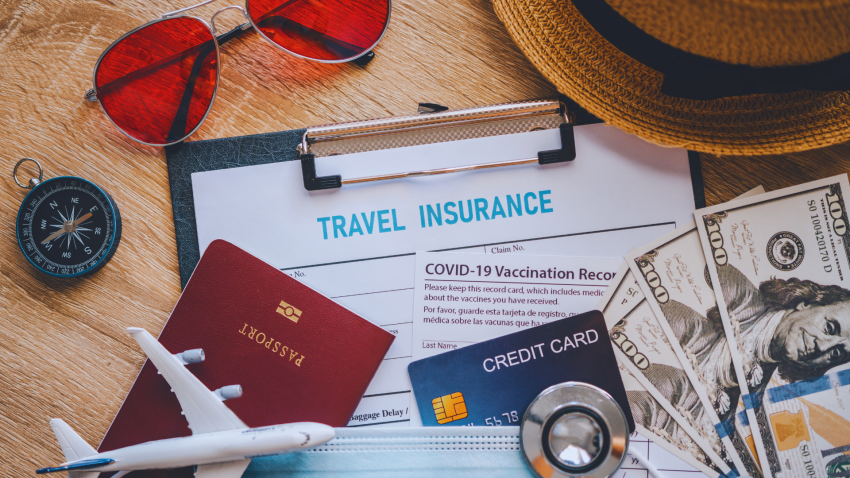
Traveling can be an exhilarating experience, but it comes with its own set of challenges, particularly when it comes to safeguarding essential documents. Keeping travel documents safe and secure is crucial to ensuring a smooth journey and avoiding potential stress. By taking preventive measures, travelers can significantly reduce the risk of losing passports, tickets, and other vital paperwork.
The importance of organization cannot be overstated. Implementing a systematic approach to storing documents will make it easier to access them when needed. Utilizing secure bags, digital backups, and alertness to surroundings can help travelers stay one step ahead of potential issues.
Staying informed about the best practices for document security is essential in today’s travel landscape. By following the guidelines laid out in this article, individuals can enhance their travel experience and focus on the adventure ahead rather than worrying about misplaced documents.
Identifying and Preparing Essential Travel Documents
Before setting off on a journey, it is critical to identify and organize essential travel documents. Proper preparation not only ensures compliance with regulations but also enhances peace of mind during travel. Key documents include passports, visas, and travel insurance details, each serving a vital role.
Mandatory International Documents
Passports are the most vital travel document. It is important to ensure the passport is valid for at least six months beyond the planned return date. Additionally, travelers should verify visa requirements for each destination country, checking for processing times to avoid last-minute issues.
A checklist for mandatory documents may include:
- Passport
- Visas
- Boarding Passes
- Proof of Accommodation
This careful preparation helps mitigate potential travel disruptions.
Travel Insurance Details and Policies
Travel insurance protects against unexpected events, such as cancellations or medical emergencies. Obtaining a policy tailored to the specific trip is essential. Both primary and add-on coverages should be considered, such as trip interruption and personal liability.
Travelers must document the following:
- Policy Number
- Emergency Contact Information
- Coverage Details
Having this information ready supports smooth access to services in times of need, ensuring assistance without delay.
Document Preparation for Family Vacations
When traveling with family, the preparation of documents requires extra attention. Each family member, including children, needs a valid passport. It is also advisable to have copies of important documents for safety.
Consider this list for family trip preparation:
- Individual Passports for Each Member
- Visas for Minors If Required
- Emergency Contact Lists
Organizing documents in a single folder or a secure travel wallet will help manage everything efficiently, promoting a smoother travel experience for families.
Physical Storage and On-the-Go Security
Keeping travel documents secure requires careful planning and practical strategies. By using specialized storage options and employing security measures while traveling, individuals can protect valuable information from theft or loss.
Using Money Belts and Hidden Storage
Money belts provide a discreet way to carry essential items like passports and cash. They are worn under clothing, making them less visible to pickpockets. Hidden money belts can include pockets sewn into clothing for extra security.
Cross-body bags are another option, especially ones that have anti-theft features like lockable zippers and RFID-blocking compartments. When choosing bags, ensure they are comfortable and easy to access while still providing protection.
In addition, secret compartments in luggage can store spare documents. This distributes risk by keeping essential items away from sight and in safer locations.
Choosing Travel Document Organizers and Passport Wallets
Travel document organizers keep essential documents in one place, making them easy to access during security checks. These organizers often include compartments for boarding passes, itineraries, and identification.
Passport wallets offer an added layer of protection with RFID-blocking sleeves, which help prevent unauthorized scanning of chip-enabled documents. While choosing a wallet, select options that are durable and waterproof.
Using these tools not only enhances organization but also minimizes the time spent retrieving documents when required, reducing vulnerability to theft.
Effective Use of Hotel and Portable Safes
Hotels typically provide in-room safes for securing travel documents. Guests should ensure that these safes are functioning properly and meet their security needs. Using a hotel safe complements personal security precautions.
Portable travel safes serve as an alternative when hotel safe usage is not possible. These devices can be anchored to fixed objects, protecting against opportunistic theft in public locations.
Both options are effective for safeguarding important items such as passports, credit cards, and itineraries, allowing the traveler peace of mind.
Strategic Document Distribution and Separation
Distributing travel documents can significantly reduce risk. Instead of keeping all important papers in one place, she can separate them across different bags. For example, keeping a copy of the passport in a suitcase is a wise move.
Sharing essential information with trusted travel companions helps in case of loss. This redundancy ensures that if one set of documents is lost, alternatives are still accessible.
Consider using digital backups stored securely in cloud services. This can facilitate recovery, as long as good internet access is available. Implementing these strategies fosters greater security during travel.
Digital Backup and Access Strategies
Maintaining secure travel documents requires effective digital backup strategies. This ensures quick access while also protecting sensitive information from loss or theft. The following strategies will enhance the safety and accessibility of essential documents.
Creating and Managing Digital Copies
Creating digital copies of travel documents is essential for quick access. Scanning or photographing passports, visas, and itineraries allows travelers to keep them handy on their devices.
Using apps such as Google Drive or Dropbox enables effortless organization. Travelers can categorize documents in specific folders for easy retrieval.
Regular updates are crucial; any changes to travel plans or documents should reflect immediately in digital formats. Ensuring that these copies are high-quality scans will make information readable and usable when needed.
Securing Sensitive Documents with Password Managers
Password managers like LastPass offer an additional layer of security for sensitive travel documents. They allow users to store digital copies securely while encrypting the files.
Travelers can access documents on multiple devices with ease while keeping them protected. It minimizes the risk of unauthorized access since these documents are secured by strong passwords.
Sharing features in password managers also enable safe document sharing with trusted family or friends during travel.
Utilizing Cloud Storage and Backup Solutions
Utilizing cloud storage solutions ensures that travel documents are accessible from anywhere. Services like Google Drive or Dropbox allow users to store, manage, and share files securely.
Setting up automatic backups adds an extra layer of protection against data loss. Regularly syncing documents to the cloud ensures the latest versions are always available, even in emergencies.
Keep in mind to check privacy settings. It is vital to understand who can access shared folders and documents on these platforms.
Encryption and Data Protection Best Practices
Encryption is a key practice for securing travel documents stored digitally. It converts sensitive information into a format that is unreadable without authorization.
Many cloud storage services offer built-in encryption. Additionally, using third-party encryption software adds another layer of security to important files.
Travelers should always be cautious when accessing public Wi-Fi networks. Using a virtual private network (VPN) can help protect data from potential breaches when downloading or accessing documents.
Responding to Loss or Emergencies
Loss or theft of travel documents can disrupt any trip. Being prepared and informed is essential for managing these emergencies effectively. Below are key steps for handling such situations.
Preparing for Emergency Replacements
Before traveling, individuals should take proactive measures to safeguard against document loss. Make photocopies of important documents such as passports, IDs, and visas. Store these copies in a separate location from the originals. This allows for quick referencing when reporting a loss.
Additionally, consider having digital backups saved on a secure cloud service. This ensures access to important details even without physical copies. Familiarize oneself with the nearest embassy or consulate’s contact information beforehand. Knowing where to go for assistance can significantly reduce stress in an emergency.
Emergency Steps for Lost or Stolen Documents
If a document goes missing, the first step is to report it. Notify local authorities to file a report, especially if the document was stolen. Most countries require this for emergency replacements.
Contact the relevant consulate or embassy to report the loss. They can guide individuals through the process of obtaining an emergency passport or replacement documents.
Gather necessary materials, such as a police report, identification copies, and passport photos. These are often needed for the application.
Travel insurance can also be helpful in these situations. Verify if the policy covers document replacement costs; some policies offer coverage for lost or stolen travel documents.
Accessing Support and Replacements Abroad
Embassies and consulates provide vital support for travelers facing document issues. They can issue emergency replacement passports, usually within a few days. It is crucial to verify what documentation is needed for this process. Often, a completed application form and supporting documents are required.
Travelers should keep copies of any communication with embassy staff. This ensures clear follow-up and helps track the status of their request.
If assistance is needed beyond document replacement, local legal advice may be available through embassies. Additionally, some travel insurance plans offer 24/7 assistance hotlines for immediate guidance.