
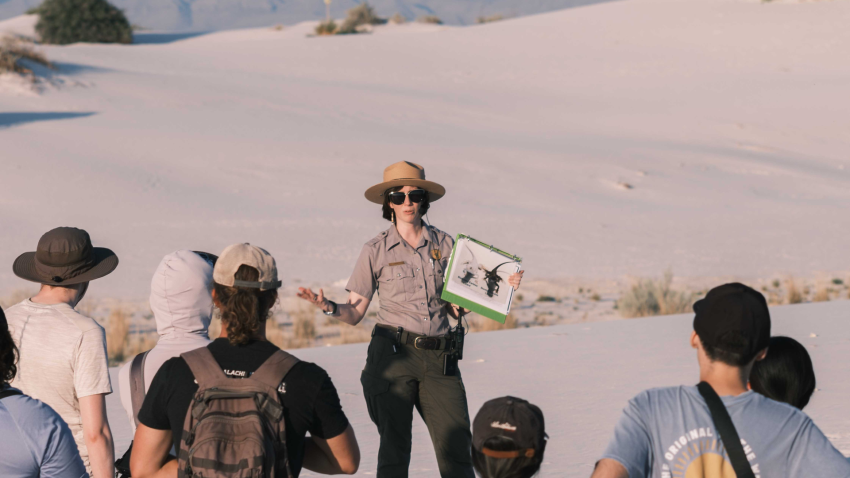
Choosing the right adventure destination can be overwhelming with countless options available. The best approach is to align personal interests and activity preferences with potential locations. Whether she seeks thrilling outdoor activities, cultural experiences, or relaxation on serene beaches, the destination should resonate with her individual goals.
Another significant factor is considering the time of year and climate. Different seasons offer varying experiences, and knowing when to visit can enhance the adventure. Researching local events or festivals can also provide unique opportunities to immerse oneself in local culture.
Budget is an essential consideration that can guide the decision-making process. She can explore both nearby and distant locations that fit her financial plan while still promising a memorable experience. By addressing these key elements, choosing the next adventure destination becomes a more manageable and enjoyable task.
Identifying Your Adventure Preferences
Establishing personal adventure preferences is essential for choosing the right destination. Key considerations include travel goals, styles, interests, and companions. Understanding these factors will lead to more fulfilling travel experiences.
Defining Your Travel Goals
Travel goals can vary significantly between individuals. Some may seek thrilling activities like hiking, kayaking, or rock climbing, while others prioritize relaxation or cultural experiences. Identifying specific goals helps narrow down potential destinations.
To clarify travel goals, one can ask questions such as:
- What do I want to achieve on this trip?
- Am I looking for excitement or peace?
A well-defined goal transforms the planning stage, allowing for a targeted selection of activities and locations. Consider using a travel goals checklist to track priorities and options.
Understanding Your Preferred Travel Style
Each traveler has a unique style that influences their adventure choice. Some individuals prefer a structured itinerary with guided tours, while others thrive in spontaneous, off-the-beaten-path experiences.
Common travel styles include:
- Luxury: High-end accommodations and exclusive experiences.
- Budget: Affordable options and cost-effective travel.
- Backpacking: Minimalist travel with a focus on exploration.
Identifying one’s travel style helps in choosing destinations that align with preferences. Creating a table of preferred travel attributes can also illuminate style choices.
Recognizing Interests: Adventure, Culture, and Relaxation
Understanding specific interests greatly aids in pinpointing a suitable adventure destination. Adventure seekers may look for outdoor activities, while cultural enthusiasts might favor historical sites and local traditions.
Consider the following interest areas:
- Adventure: Hiking, diving, or winter sports.
- Culture: Museums, festivals, and culinary experiences.
- Relaxation: Beaches, spas, and tranquil retreats.
A traveler can improve their experience by prioritizing these interests when researching destinations. Incorporating a list of top preferred activities can streamline decision-making.
Factoring in Travel Companions
Traveling companions play a significant role in determining suitable adventure destinations. Preferences may differ vastly among friends, family, or solo travelers.
When choosing a destination, consider:
- Compatibility: Aligning interests and activity levels with companions.
- Group dynamics: Managing various needs and desires within the group.
Understanding the preferences of travel companions ensures a more enjoyable experience for everyone involved. It may be helpful to hold discussions among the group to establish common goals and desires.
Researching and Shortlisting Destinations
Effective research is critical for identifying the right adventure destination. Travelers can utilize various methods to gather information, compare options, and focus their choices. This section explores valuable resources for discovering exciting travel destinations.
Using Travel Blogs and Online Resources
Travel blogs offer firsthand accounts that help travelers understand destinations through personal experiences. Writers often share insider tips, itineraries, and unique attractions that may not be found in guidebooks.
When exploring blogs, look for ones that focus on specific interests, such as adventure travel, hiking, or cultural experiences. Websites like TripAdvisor and Lonely Planet are also useful resources, featuring reviews and destination information from fellow travelers.
Online forums, like Reddit or Facebook groups, can provide insights into current trends and safety tips. The combination of subjective experiences and objective reviews enhances the ability to shortlist destination options effectively.
Leveraging Travel Apps and Google Maps
Travel apps and Google Maps eliminate the guesswork in destination planning. Apps like Skyscanner and Kayak provide flight comparisons and pricing alerts that enable budget-conscious travelers to find the best deals.
Google Maps can aid in exploring potential spots for accommodations, dining, and activities. Its features, such as Street View, allow travelers to examine neighborhoods before committing.
Several apps, such as Roadtrippers, help plan road trips by highlighting attractions along the route. Users can create personalized itineraries that detail stops for a seamless travel experience.
Consulting Recommendations from Friends and Experts
Asking friends and experts for recommendations often yields valuable insights. Personal connections can offer suggestions based on their travels, highlighting lesser-known gems or must-visit locations.
Consulting travel advisors or participating in travel forums brings additional perspectives. Experts can provide tailored recommendations suited to individual preferences, whether seeking adventure, relaxation, or cultural immersion.
Social media platforms like Instagram can inspire choices, showcasing popular hotspots and authentic travel experiences. When travelers engage with experienced globetrotters, they can gather diverse opinions to refine their destination list effectively.
Key Practical Considerations
Choosing an adventure destination requires careful thought about various practical factors. Budget constraints, climate conditions, safety, and the ethical implications of travel are all essential elements to consider.
Evaluating Budget and Trip Duration
Budget plays a crucial role in selecting a destination. Travelers should account for transportation, accommodation, food, and activities. A well-planned budget helps avoid overspending and disappointment.
- Transportation Costs: Assess flights, local transport, and car rentals.
- Accommodation Options: Research hostels, hotels, and other staying options.
- Activity Expenses: Include entry fees, guided tours, and equipment rentals.
Trip duration often influences budget. Longer trips may require a higher budget, while shorter excursions can help save costs. Identifying priorities allows for tailored planning within financial limits.
Seasonal Climate and Weather Assessment
Understanding seasonal climate is vital for a successful trip. Travelers should research the weather conditions of potential destinations during planned travel dates.
- Temperature Ranges: Know the average temperatures to pack appropriate clothing.
- Rainfall Patterns: Assess the likelihood of rain and plan activities accordingly.
- Natural Disasters: Be aware of local risks, such as hurricanes or monsoons.
Weather can significantly impact travel experiences. Choosing destinations that offer favorable conditions ensures enjoyment and minimizes disruptions.
Assessing Safety, Political Stability, and Health
Safety cannot be underestimated when choosing a destination. Considering political stability and health conditions is crucial for safety-minded travelers.
- Political Stability: Research recent events or instability issues through credible sources.
- Health Considerations: Check for necessary vaccinations or health advisories for the region.
- Emergency Services: Understand local healthcare options and emergency protocols.
Staying informed protects travelers from risks. Consulting travel advisories can offer up-to-date information related to safety and health.
Understanding Social Impact and Responsible Travel
Travelers should reflect on the social impact of their adventures. Responsible travel practices benefit both visitors and host communities.
- Local Economy: Support local businesses when choosing accommodations and activities.
- Cultural Sensitivity: Familiarize yourself with local customs and etiquette to ensure respectful interactions.
- Environmental Considerations: Opt for eco-friendly practices, such as minimizing plastic use.
Embracing these practices enriches the travel experience. Being mindful of social implications leads to more meaningful connections and a positive contribution to the communities visited.
Experience-Driven Destination Decision
Selecting an adventure destination involves more than just choosing a location. It includes understanding accommodation choices, dining experiences, planned activities, cultural immersion, and transportation. Each of these elements can significantly enhance the adventure experience.
Choosing Accommodation and Dining Options
Accommodation can define the travel experience. Options range from luxury hotels to budget hostels. Travelers should consider factors such as location, amenities, and reviews.
Dining plays a critical role as well. Pursuing local cuisine can lead to unique experiences. Travelers might explore street food markets or dine at authentic restaurants to sample regional dishes. Researching nearby dining options beforehand can help in making more satisfying choices.
Planning Adventure Activities and Tours
Adventure activities shape the heart of any journey. Popular options include hiking, zip-lining, and other outdoor adventures that allow travelers to engage with the landscape.
Selecting tours should consider group size, duration, and guide expertise. Specialty tours that focus on niche interests, like wildlife observation or local craftsmanship, can provide deeper insights. Booking early often secures better rates and availability.
Exploring Local Culture, History, and Cuisine
Understanding the cultural and historical context of a destination enriches the travel experience. Travelers should seek out local museums, historical sites, and community events.
Participating in cultural practices, like cooking classes or traditional dances, further enhances the journey. Exploring local markets can expose travelers to regional crafts and culinary delights, offering a deeper appreciation for the destination.
Transportation and Getting Around
Transportation choices can impact accessibility to adventure sites and experiences. Public transport options, such as buses, may provide economical and authentic ways to explore.
Rental cars or bicycles can offer more flexibility. Knowledge of local transport systems allows travelers to navigate efficiently. Understanding distances and travel times between activities ensures a seamless adventure.