
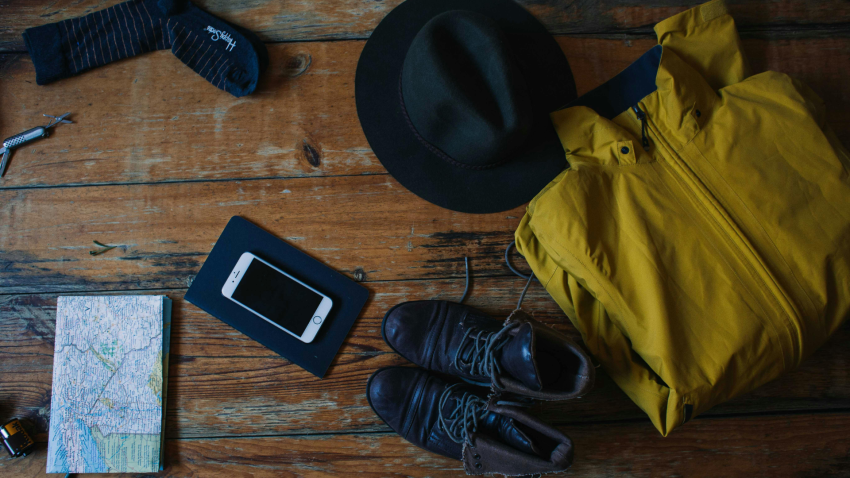
Preparing for long-term travel abroad requires careful planning and attention to detail. Understanding the logistics of budgeting, documentation, and health precautions is essential for a successful journey. Each aspect can significantly impact the experience, making preparation critical to enjoying the adventure ahead.
Travelers should start by crafting a comprehensive itinerary. This includes researching destinations, accommodations, and transportation options. Making informed choices will enhance the travel experience and provide peace of mind while abroad.
Another important consideration involves handling administrative tasks in advance. Ensuring that passports are valid for the entire duration of the trip, obtaining any necessary visas, and securing appropriate vaccinations are crucial steps. By taking these measures, travelers can focus on fully immersing themselves in their new surroundings once they arrive.
Critical Preparations for Long-Term Travel
Preparing for long-term travel requires careful attention to essential travel documents, visa regulations, insurance coverage, and health measures. Each of these elements is crucial for ensuring a smooth journey.
Securing Essential Travel Documents
To travel abroad, it is vital to secure the necessary travel documents. These typically include a valid passport, which should have at least six months of validity beyond the intended return date.
In addition to a passport, a traveler might need additional identification and copies of important documents. It is advisable to store digital copies in a secure cloud service.
Others may require specific forms of identification, such as a driver’s license or national ID card, depending on the destinations they are visiting.
Understanding Visa Requirements
Visa requirements vary by country and can significantly impact travel plans. Travelers should research the specific visa needed for each destination, as some countries allow entry without a visa, while others require one in advance.
Visa types may include tourist, business, or student visas, each with its own application process. Many travelers benefit from using services that specialize in visa applications to avoid delays.
Staying updated on entry restrictions, which can change due to political or health-related factors, is also essential for a successful trip.
Obtaining the Right Travel Insurance
Travel insurance is a critical component of long-term travel preparation. Policies should cover a variety of situations, including trip cancellations, lost luggage, and medical emergencies.
Providers like SafetyWing offer tailored plans for long-term travelers. It is advisable to review policy details, eligibility, and claim processes carefully to ensure comprehensive coverage. Comparing different insurance providers allows travelers to find the best fit for their specific needs and budget.
Health Preparation and Required Vaccinations
Health preparation includes researching required vaccinations for the countries being visited. Some nations may mandate specific vaccines, such as yellow fever or COVID-19, for entry.
Travelers should consult healthcare professionals to review their health needs based on travel destinations. Additionally, a travel health kit containing prescriptions and over-the-counter medications is highly recommended.
It is also beneficial to understand healthcare access in the destination country, such as where to find medical services if needed.
Managing Finances and Money on the Road
Managing finances effectively while traveling requires careful planning. This includes selecting the right travel card, understanding local currencies, and having access to emergency funds.
Choosing a Travel Card for International Use
A suitable travel card can provide convenience and savings during international trips. Seek cards with no foreign transaction fees and competitive exchange rates. Major options include Visa and MasterCard networks, which are widely accepted.
Consider cards like the Chase Sapphire Preferred or the Capital One Venture. Both offer travel rewards programs and no foreign transaction fees. Some cards may also provide travel insurance as a benefit, offering additional peace of mind.
Review the card’s ATM access and international coverage. Having a backup card can prevent issues if one gets lost or stolen. Always inform the bank of travel plans to avoid any account freezes.
Handling Local and Foreign Currencies
Familiarity with local and foreign currencies is crucial. Research the destination’s currency and current exchange rates. Tools like XE Currency can help monitor rates in real time.
It’s often more cost-effective to withdraw cash from ATMs, where the rates may be competitive. However, choosing ATMs affiliated with major banks can minimize fees.
Consider exchanging a small amount of cash before departure. This can cover initial expenses like transportation or tips upon arrival. Be cautious with cash in high-risk areas to ensure personal security.
Securing Emergency Funds and Money Transfer Options
Emergency funds should always be part of travel preparation. Setting aside a specific amount in multiple forms, such as cash and cards, can be beneficial.
For money transfers, options like Western Union or PayPal can facilitate quick access to funds if needed. Ensure internet connectivity to utilize online services when abroad.
It’s also wise to keep important numbers, such as card issuer contacts, easily accessible. Reporting lost or stolen cards promptly can limit financial harm. Diversifying financial resources can ensure easy access to money during travels.
Accommodation and Long-Term Living Solutions
Choosing the right accommodation is a crucial aspect of long-term travel. Options vary widely, from short-term rentals to permanent housing. Understanding these choices can make a significant difference in comfort and suitability.
Evaluating Accommodation Options Abroad
Travelers often find several types of accommodation. Options include:
- Hotels: Generally preferred for their convenience, but can be expensive over time.
- Airbnb: Offers a variety of homes, apartments, and unique spaces. Ideal for those seeking a local experience.
- Hostels: A budget-friendly choice, especially for younger travelers. They provide social opportunities but may lack privacy.
- Long-Term Rentals: Websites like Booking.com offer listings for extended stays, which can be more economical.
Consider factors such as location, amenities, safety, and budget when evaluating these options. It’s essential to match the accommodation type to personal preferences and lifestyle needs.
How To Find and Book Accommodation Before Arrival
Securing accommodation before departure is advisable. Researching options through reputable platforms ensures reliability.
- Use Trusted Websites: Platforms like Airbnb and Booking.com allow users to compare options based on location, price, and reviews.
- Read Reviews Carefully: Assess feedback from previous guests to understand the quality and reliability of the accommodation.
- Contact Hosts Directly: Open communication can clarify details and help negotiate terms.
- Consider Cancellation Policies: Choose options that offer flexibility in case travel plans change.
Booking in advance prevents last-minute stress and increases the likelihood of finding suitable accommodation.
Preparing Your Home or Apartment Before Leaving
Properly preparing a home or apartment for an extended absence is essential. Travelers should take several steps:
- Notify Utilities: Inform utility providers of the planned absence. Arranging for service disconnection or suspension can prevent unnecessary costs.
- Security Measures: Ensure doors and windows are secure. Consider using timers for lights to simulate occupancy.
- Storing Valuables: Store important documents and valuables in a safe place. This minimizes risk while away.
- Arrange for Mail Collection: A trusted friend or neighbor can collect mail to prevent clutter and signal absence to potential burglars.
Taking these steps helps ensure peace of mind while traveling abroad for an extended period.
Essential Tools, Connectivity, and Smart Packing
Effective planning for long-term travel involves strategic packing and maintaining connectivity. The choices made can significantly impact the overall experience while abroad.
Packing Smart for Extended Trips
Packing efficiently requires prioritizing essentials. Clothing should be versatile; items that mix and match can save space. Consider materials like merino wool, which is lightweight and odor-resistant.
Travel organizers, such as packing cubes, help in keeping items structured. He or she can also carry a portable charger. This ensures devices remain powered during long travel days.
Don’t forget a basic first-aid kit, toiletries, and any necessary medications. Snacks can be beneficial for long flights or bus rides. A good backpack is essential for mobility and easy access to important documents.
Staying Connected Abroad
Staying connected is crucial for both personal and professional commitments. One reliable approach is to purchase local SIM cards; they often provide better rates than international plans.
Wi-Fi availability should also be considered. Public places, cafes, and co-working spaces typically offer free Wi-Fi. Utilizing apps like Google Maps can help in navigating new cities without the need for constant data access.
He or she should also research specific apps required for communication, such as WhatsApp or Skype, to stay connected easily. Keeping backup copies of important documents on cloud services allows for easier access when needed.
Making Technology Work for Digital Nomads
Digital nomads rely on technology to maintain their work while traveling. A laptop with sufficient battery life is crucial. Coupled with a portable charger, they can work from virtually anywhere.
Using a VPN is advisable for secure internet browsing, especially on public networks. This protects sensitive information from potential threats.
He or she may choose remote work platforms that streamline productivity. Tools like Trello or Slack enhance collaboration with team members. Investing in noise-canceling headphones can also help focus in busy environments.