
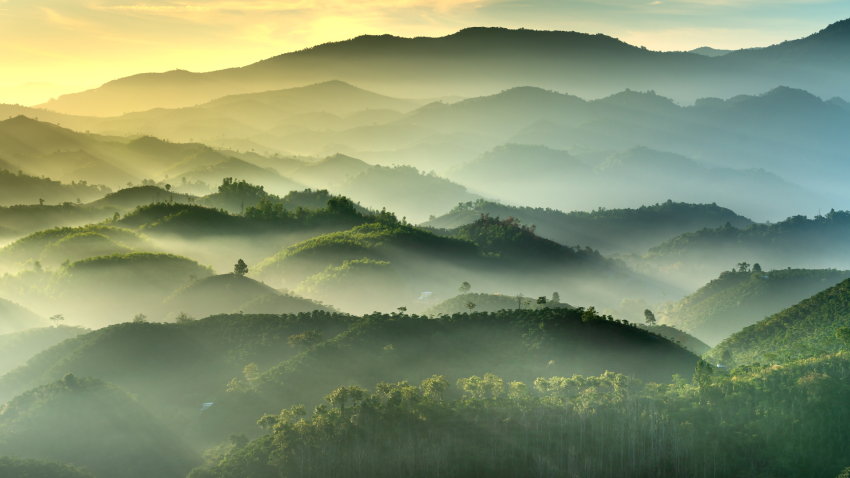
Mountain ranges captivate travelers and nature enthusiasts alike with their stunning landscapes and unique ecosystems. Exploring the world’s most picturesque mountain ranges reveals breathtaking vistas, diverse wildlife, and rich cultural experiences that leave lasting impressions. These majestic formations offer not just scenic beauty, but also opportunities for adventure, reflection, and a deeper connection with nature.
From the towering peaks of the Himalayas to the rugged beauty of the Andes, each mountain range boasts its own distinct character and charm. Adventure seekers can hike, climb, or simply enjoy panoramic views that inspire awe. The diversity among these ranges makes them ideal destinations for anyone looking to experience the grandeur of the natural world.
Those who venture into these mountain realms will encounter not only stunning visuals but also vibrant cultures and traditions. Each range possesses unique stories and histories shaped by the people who inhabit them. Engaging with these communities adds an enriching layer to the journey, inviting travelers to appreciate the mountains both for their physical beauty and their cultural significance.
The World’s Most Picturesque Mountain Ranges
Mountains around the world offer breathtaking views and diverse ecosystems. They serve as locations for adventure, cultural experiences, and stunning scenery. Here are three of the most picturesque mountain ranges globally.
The Himalayas: The Roof of the World
The Himalayas are renowned for their awe-inspiring beauty, towering heights, and cultural significance. Stretching across five countries—Nepal, India, Bhutan, China, and Pakistan—this range includes Mount Everest, the world’s highest peak.
The region boasts spectacular biodiversity, including the elusive snow leopard and various endemic species. Popular treks such as the Everest Base Camp and Annapurna Circuit attract thousands of trekkers and mountaineers each year, offering panoramic views and glimpses of local culture.
In addition to natural beauty, the Himalayas are recognized as UNESCO World Heritage sites. Their cultural heritage includes ancient temples and traditions that enrich the region’s character.
The Alps: Europe’s Iconic Peaks
Spanning eight countries, The Alps are famous for their stunning landscapes and outdoor activities. This mountain range features notable peaks like Mont Blanc and the Matterhorn, offering thrilling skiing and snowboarding experiences during winter.
The Dolomites, a UNESCO World Heritage site, are a highlight of the range, known for their unique rock formations and picturesque alpine meadows. The allure of The Alps extends to cycling, hiking, and climbing throughout the summer months.
Cultural richness can be found in quaint villages, traditional cuisine, and festivals held in the many valleys. The majestic scenery captivates visitors year-round, making the Alps one of the most beautiful mountain ranges in the world.
The Andes: South America’s Backbone
The Andes, the longest mountain range on Earth, stretches over 7,000 kilometers through seven countries: Venezuela, Colombia, Ecuador, Peru, Bolivia, Chile, and Argentina. The range is home to stunning landscapes, including high-altitude lakes and vibrant ecosystems.
Notable sites include Machu Picchu and Torres del Paine National Park, where travelers can explore rich cultural and historical heritage. The region offers diverse activities such as hiking the Inca Trail and climbing peaks like Alpamayo and Cerro Torre.
The Andes are also critical for their biodiversity, featuring flora and fauna unique to the high altitudes. Their panoramic views and rich natural resources highlight the significance of this magnificent mountain range.
Exploring North America’s Majestic Peaks
North America is home to some of the world’s most stunning mountain ranges, offering remarkable landscapes and a wealth of outdoor activities. From the rugged Rockies to the picturesque Tetons, these peaks attract adventurers and nature enthusiasts alike.
The Rocky Mountains: A Tapestry of Wilderness
The Rocky Mountains stretch from Canada to New Mexico, with major parks like Banff and Jasper showcasing their grandeur. Banff National Park features turquoise lakes, glaciers, and extensive hiking trails that cater to all skill levels.
Wildlife abounds here; visitors may encounter grizzly bears, elk, and black bears in their natural habitats. Trail enthusiasts can explore routes such as the Plain of Six Glaciers or Johnston Canyon, known for their breathtaking views and rich ecosystems.
Conservation efforts protect vulnerable species and ensure that these majestic landscapes remain unspoiled for future generations.
The Teton Range: Dramatic American Landscapes
The Teton Range, located in Wyoming, is renowned for its soaring granite peaks and stunning vistas. Grand Teton National Park is a prime destination for outdoor recreation, including hiking, climbing, and wildlife observation.
Popular trails include the Jenny Lake Loop and Cascade Canyon, which feature breathtaking views and diverse habitats. The park is home to various wildlife, including moose and bison, making it an excellent spot for wildlife spotting.
Photographers flock to this area for its dramatic landscapes, especially during sunrise and sunset when the mountains appear especially vibrant.
Other Scenic North American Ranges
North America offers an array of stunning mountain ranges beyond the Rockies and Tetons. The Sierra Nevada in California features iconic sites such as Yosemite National Park, known for its granite cliffs and diverse ecosystems.
The Chugach Mountains in Alaska provide opportunities for remote hiking and skiing. This range is often less crowded, allowing for a more intimate experience with nature.
Each mountain range boasts unique trails and natural beauty, catering to various outdoor activities and interests. Adventure seekers will find plenty of options across the continent, ensuring memorable experiences in the great outdoors.
Other Notable and Unique Mountain Landscapes
Various mountain ranges across the globe offer distinct features and breathtaking scenery. From the rugged peaks of Oceania to the iconic heights of Asia, these landscapes are rich in biodiversity and geological wonders.
The Southern Alps and Oceania’s Wonders
The Southern Alps in New Zealand stand out with their awe-inspiring snow-capped peaks and deep fjords. Stretching over 500 kilometers, this range features glaciers like the Franz Josef and Fox, captivating visitors with their pristine beauty.
The Southern Alps are also home to diverse ecosystems. Unique flora and fauna thrive here, making it a great destination for nature enthusiasts. Hiking trails like the Routeburn Track allow exploration of these breathtaking landscapes, offering picturesque views at every turn.
Asia’s Fascinating Peaks
Asia’s mountain ranges, particularly the Japanese Alps, offer striking contrasts in both scenery and culture. The Northern and Southern Japanese Alps feature dramatic ridges and are known for their hiking opportunities.
Mount Fuji, an iconic peak, attracts climbers and photographers alike. Its symmetrical cone shape and surrounding cherry blossoms create a stunning visual experience. The Akaishi Mountains add to the appeal, offering serene landscapes filled with lush vegetation.
The Tian Shan range in Central Asia features Victory Peak, one of the highest summits, which showcases incredible glacial topography. This region is also known for its rich biodiversity, making it a hotspot for ecological studies.
Striking Mountain Ranges of Africa and Europe
The Pyrenees form a natural border between Spain and France, known for their rugged beauty and significant biodiversity. These mountains boast impressive peaks, including Aneto, the highest in the range.
The Atlas Mountains, stretching across Morocco, are famed for their unique geological formations and vibrant Berber culture. They host diverse ecosystems, from arid landscapes to lush valleys, showcasing an impressive variety of flora and fauna.
Norway’s fjords are characterized by steep, dramatic cliffs and glacial valleys. The combination of waterfalls and snow-capped peaks creates breathtaking vistas, drawing countless visitors each year to explore the natural beauty.
South American Surprises
The Andes mountain range, which runs along the western edge of South America, features some of the most varied landscapes on the continent. Spanning multiple countries, this range includes the impressive peaks of Venezuela.
Unique formations, such as the Auyantepui, are notable for their biodiversity and stunning flat-topped structure. Additionally, the Andes are crucial for the native cultures that have thrived in their shadow for centuries, adding a rich historical context to the breathtaking geography.
Each of these mountain ranges offers distinct features that attract adventurers and nature lovers alike. They provide a mix of challenging terrains, unique ecosystems, and picturesque views.
The Value of Mountain Ranges for Adventure, Ecology, and Culture
Mountain ranges provide significant benefits in terms of adventure activities, ecological diversity, and cultural heritage. Their unique features foster outdoor recreation, while also supporting wildlife habitats and preserving cultural history.
Outdoor Activities and Recreation
Mountain ranges serve as prime locations for a variety of outdoor activities. National parks, such as the Rocky Mountain National Park in the U.S. and the Swiss National Park, attract hikers, cyclists, and winter sports enthusiasts. Hiking trails scale peaks, offering panoramic views that can invigorate the spirit and challenge physical endurance.
Cycling is popular on mountain paths, catering to both casual riders and serious mountain cyclists. In winter, skiing and snowboarding become prevalent, drawing visitors to slopes that offer varying levels of difficulty. Additionally, mountaineering presents adventure seekers with the thrill of climbing and exploring, further emphasizing the mountains as a playground for outdoor adventure.
Cultural and Natural Heritage Preservation
Mountain ranges are home to rich cultural histories and practices that warrant preservation. Many mountains are recognized as UNESCO World Heritage sites, highlighting their significance not just for nature but for human history. Indigenous communities often reside in these areas, maintaining traditional lifestyles and cultural practices that connect them to the land.
Efforts to conserve these regions aim to protect their ecological integrity and cultural narratives. Engaging local communities in conservation helps foster respect for both the environment and cultural traditions, reinforcing the mountains’ status as vital cultural heritage sites.
Wildlife and Biodiversity in Mountain Ecosystems
Mountain ecosystems host a remarkable diversity of wildlife, contributing to global biodiversity. Species such as the snow leopard and grizzly bear thrive in these habitats, showcasing the importance of conservation efforts. The complex altitude and climate variations create unique environments that support various plants and animals.
Protection of these ecosystems is critical as they provide essential ecosystem services, including clean air and water. Biodiversity ensures resilience against environmental changes and plays a crucial role in scientific research and conservation strategies. Understanding these relationships is vital to maintaining both ecological health and adventure opportunities in mountain ranges.
The Effects of Climate Change on Mountain Ranges
Climate change poses significant threats to mountain ranges, altering ecosystems and affecting recreational activities. Warmer temperatures lead to glacier retreat, impacting water sources for surrounding communities. This shift can disrupt habitats, threatening biodiversity and causing displacement of species.
Simultaneously, outdoor activities are being affected as changing weather patterns can reduce snowfall, impacting skiing and winter sports. Increased accessibility to previously remote areas due to melting ice raises concerns about over-tourism and environmental degradation. Addressing these changes through sustainable practices is vital for preserving these natural landscapes for future generations.